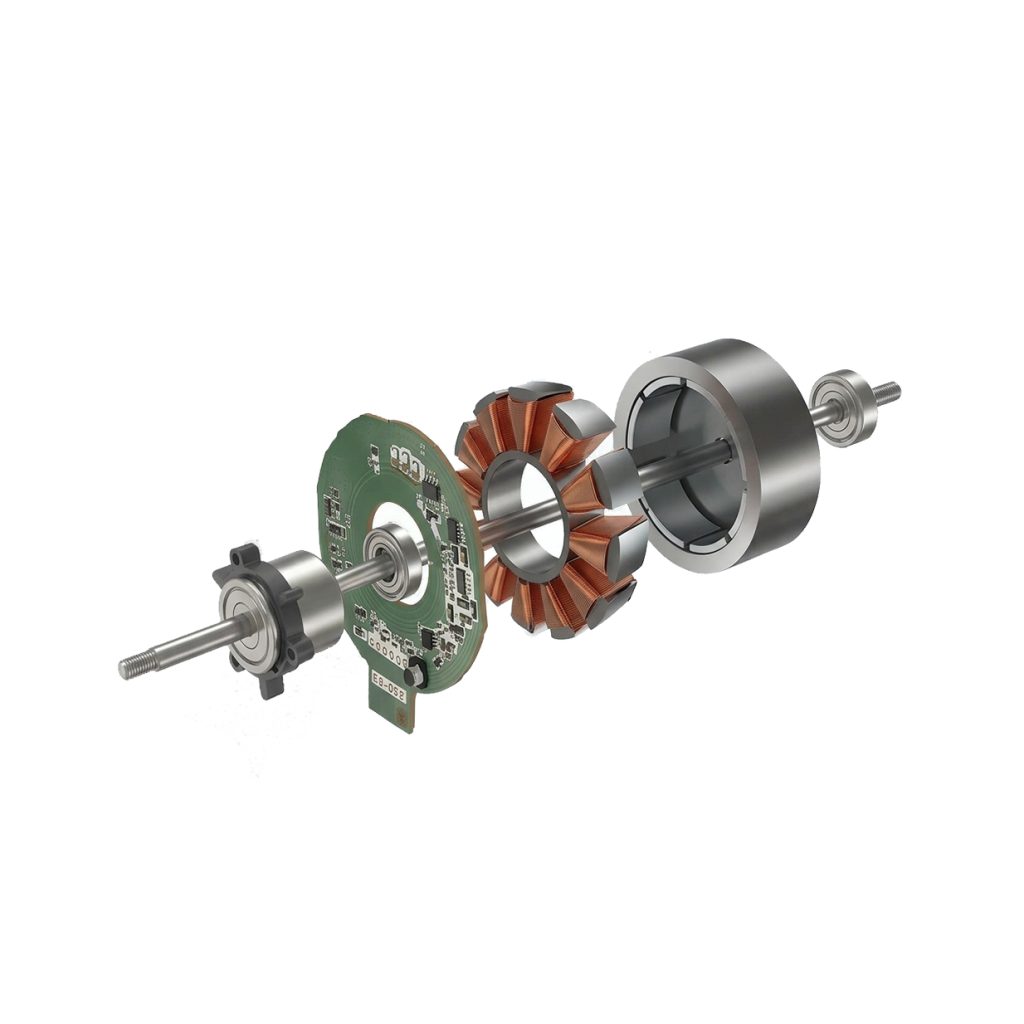
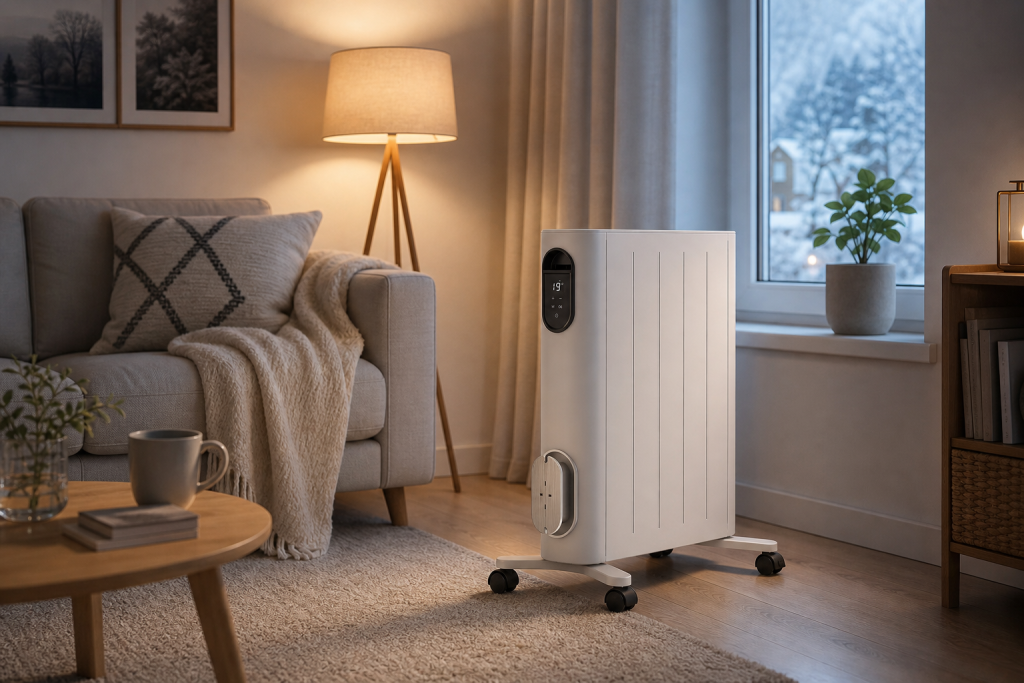
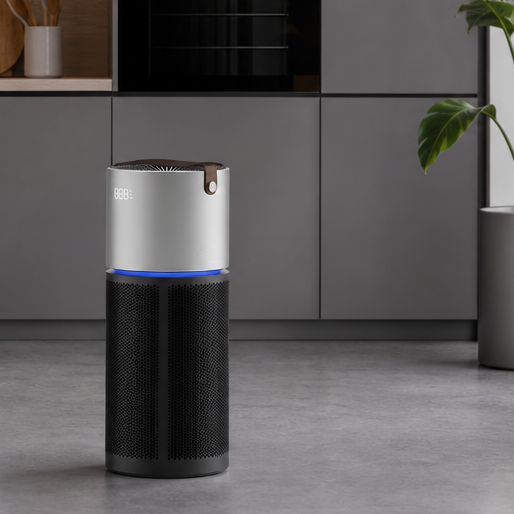
Electric heating has become an increasingly popular solution thanks to its ease of installation, allowing homes to be heated without the need for a hydronic heating system or a boiler.
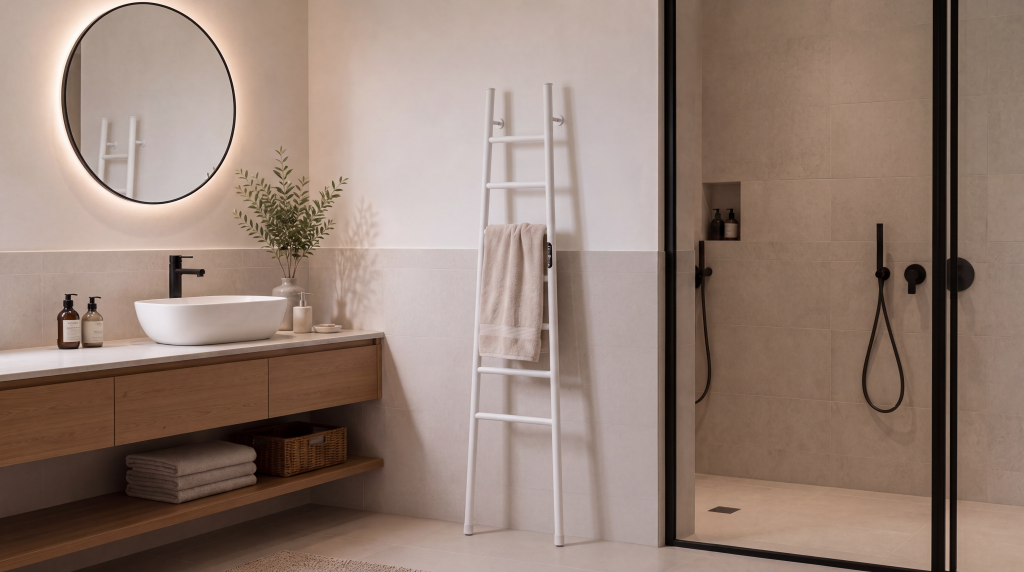
Today, electric radiators and electric towel warmers are available in a wide range of sizes and colours. Their compact designs make them easy to integrate into both classic and contemporary interiors. The most commonly used materials are steel and aluminium, combined with high-quality plastic components and either liquid-filled or solid heating elements, each offering different performance characteristics.
The Advantages of Electric Heating
One of the main advantages of electric heating is its simple installation. In most cases, the appliance only needs to be connected to the electrical supply, eliminating the need for plumbing work or major structural modifications.
Modern electric heating systems also provide highly accurate temperature control. Programmable timers, electronic thermostats and Wi-Fi connectivity allow users to heat rooms only when needed, improving both comfort and energy efficiency.
Maintenance requirements are generally low. Since there is no combustion process, flue or water circuit, routine servicing is usually much simpler than with many traditional heating systems.
For well-insulated homes or for heating individual rooms, electric heating is often a practical and flexible solution. When powered by electricity generated from renewable energy sources, it can also help reduce environmental impact.
Disadvantages to Consider
The main factor to consider is the cost of electricity. In homes with high heating demand or poor insulation, energy consumption can increase significantly during the colder months.
Performance also depends on the type of appliance selected. Some products are designed to heat small spaces quickly, while others provide a more even and longer-lasting distribution of heat.
Helpful Advice
If you are considering replacing your traditional heating system with an electric one, it is always advisable to consult a qualified heating engineer or HVAC professional first. An expert can assess your home’s characteristics, insulation level and heating requirements, helping you select the most suitable system to achieve the best balance between comfort, energy efficiency and operating costs.